Prospects for fighting food insecurity in sub-Saharan Africa using underutilised crops: the case for fluted pumpkin
DOI:
https://doi.org/10.26596/wn.202617182-90Keywords:
fluted pumpkin, food insecurity, Malnutrition, sub-Saharan Africa, Underutilized cropsAbstract
Background
Sub-Saharan Africa is blessed with tropical conditions that support agriculture and food
production, yet food insecurity is prevalent in the region. Tackling malnutrition (which results
partly from food insecurity) requires improvements in agricultural output and the nutritional
quality of the foods consumed. Certain underutilised species of food crops are not just
environmentally resilient but also offer opportunities for bridging the nutrient deficit in
sub-Saharan Africa. Sadly, the dominance of global food production by the major cereals has
diverted attention from indigenous crop species.
Objective
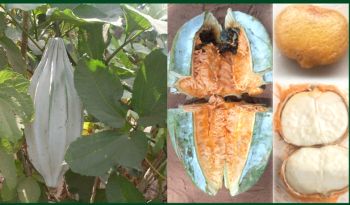
This paper reviews the literature on fluted pumpkin, Telfairia occidetalis Hook f., an
underutilised species whose seeds are rich sources of nutrients.
Methods
The English language literature available online was mined for published articles on fluted
pumpkin, using appropriate keywords. Boolean operators were used to delineate the search output.
Identified papers were cross-checked for relevance.
Results
The literature included shows that fluted pumpkin grows well in the tropics, is resilient to
climate variability, and requires minimal input after planting. The protein and carbohydrate
contents of fluted pumpkin seeds compare favourably with those of soybean, but it has a higher fat
content. The seeds are rich in vitamins and minerals. They are therefore a rich source of macro-
and micronutrients.
Conclusion
Given the nutritional profile of fluted pumpkin seeds, investing in research to increase their
production and utilisation, and adopting favourable policies, will
contribute significantly to ensuring food security in sub-Saharan Africa.
Downloads
Published
Issue
Section
License
Authors retain all copyrights. In making a submission to World Nutrition, they are certifying that all material is theirs except quotations, as indicated, and that they have obtained permission for any photos, tables, or graphics taken from other publications or websites.