A grandmother-inclusive approach to maternal nutrition is associated with improved maternal diet, health-seeking practices, and birthweights in rural Sierra Leone
DOI:
https://doi.org/10.26596/wn.202617169-81Keywords:
maternal nutrition, diet diversity, birthweights, grandmothers, grandmother-inclusive approach, nutrition educationAbstract
Background
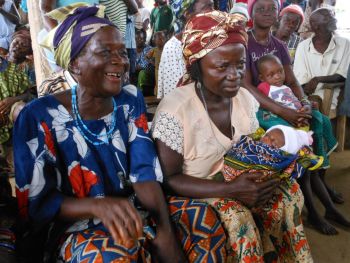
In many communities across the Global South, senior women are key advisors on nutrition and health
to younger women. Yet most maternal nutrition and health education continues to focus on the
mother–child dyad with limited results. Formative research in rural Sierra Leone identified
grandmothers as influential advisors on maternal diet and health practices. Based on these
findings, World Vision and partners piloted the grandmother-inclusive approach (GMIA) to improve
maternal diets, health-seeking practices, and birth outcomes.
Objective
This pilot study compared a family systems approach focused on grandmothers as change agents with
the traditional mother-focused education approach to improve maternal nutrition and health
practices.
Methods
Using a quasi-experimental design, we compared maternal dietary practices, health-seeking
behaviors, and birth outcomes in GMIA intervention communities with other communities receiving
standard nutrition and health education in rural Sierra Leone. This paper reports findings from the
quantitative endline survey of 375 households with pregnant women and children under two years in
intervention and comparison communities. Differences in maternal dietary practices, health-seeking
behaviors, and birthweights were assessed using multiple regression analysis, adjusting for
sociodemographic characteristics.
Results
In adjusted models, women in intervention communities had greater odds of achieving minimum dietary
diversity (adjusted odds ratio [AOR] 13.5; 95% CI: 4.9–37.3), consuming more frequent meals (mean
difference=0.5; 95% CI: 0.2, 0.9) and reporting four or more antenatal care visits (AOR 9.1; 95%
CI: 1.8–45.2) than women in comparison communities. Women in intervention communities also reported
higher adherence to daily iron–folic acid supplementation (AOR 6.4; 95% CI: 2.3–17.3). Mean
birthweights were higher in intervention communities, with an adjusted difference of 0.22 kg (95%
CI: 0.07–0.36).
Conclusion
Findings from this pilot study suggest that a grandmother-inclusive approach may improve maternal
nutrition and health practices and increase birthweights in rural
Sierra Leone.
Downloads
Published
Issue
Section
License
Authors retain all copyrights. In making a submission to World Nutrition, they are certifying that all material is theirs except quotations, as indicated, and that they have obtained permission for any photos, tables, or graphics taken from other publications or websites.