Cooking, gender, and ultra-processed foods: Toward a public valorization of culinary knowledge
DOI:
https://doi.org/10.26596/wn.2026171125-129Keywords:
ultra-processed foods, gender roles, cooking, care economy, public health, food policy, BrazilAbstract
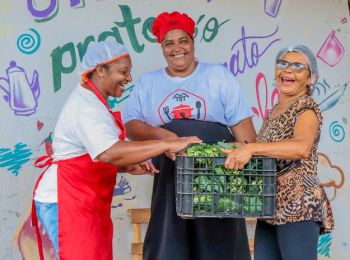
The nutritional transition toward ultra-processed foods consumption has contributed to rising rates of non-communicable chronic diseases globally. While dietary guidelines increasingly recommend fresh and minimally processed foods, achieving this requires cooking skills — a practice historically dominated by women and systematically devalued. This commentary examines the intersection of gender roles, cooking practices, and ultra-processed food consumption through a critical analysis of existing literature and case studies. Data from global surveys reveal that women prepare approximately twice as many home-cooked meals as men across cultures, a disparity rooted in historical processes of work devaluation under capitalist systems. The ultra-processed food industry has capitalized on women's domestic burden by promoting convenience foods, yet this has neither reduced gender inequalities nor improved nutritional outcomes. We argue that reversing ultra-processed food consumption requires strategic public valorization of culinary knowledge beyond the domestic sphere. Brazilian examples, including the National School Feeding Program (PNAE) and solidarity kitchens, demonstrate successful models of recognizing cooking as valuable skilled work within the care economy. Effective public health interventions must address gender inequality as a central component of food system transformation. Cooking should be understood as a collective responsibility and common good, requiring policies that support both adequate nutrition and gender equity.
Downloads
Published
Issue
Section
License
Authors retain all copyrights. In making a submission to World Nutrition, they are certifying that all material is theirs except quotations, as indicated, and that they have obtained permission for any photos, tables, or graphics taken from other publications or websites.